
Image by <a href="https://pixabay.com/users/nietjuh-2218222/?utm_source=link-attribution&utm_medium=referral&utm_campaign=image&utm_content=3061509">Ylanite Koppens</a> from <a href="https://pixabay.com/?utm_source=link-attribution&utm_medium=referral&utm_campaign=image&utm_content=3061509">Pixabay</a>
Even just 15 years ago, the suggestion of playing a board game would be met with a groan. But – thanks in part to technology – board games are now highly fashionable and are being embraced with open arms. It may feel like we’re constantly shaking a double six, but what is actually leading this board game renaissance?
Modern Enhancements
One of the biggest coups for the board game industry has been the steady influx of new games. While aficionados enjoy Clue, Scrabble, and Monopoly – many people felt stifled by the lack of choice. New alternatives such as Secret Hitler – which takes a spy theme and utilizes audio recordings to create a social game – and other deductive reasoning favorites like Werewolf and Salem have helped change what people think of when they hear ‘board games.’
Being able to engage with classic board games in modern ways, such as the Words with Friends version of Scrabble has also helped them become more popular. The game can be played over a period of days or weeks and players can challenge anyone on their friends list to a game, which mitigates against the accusations that the game itself is ‘boring.’ Using digital technology to allow players to drop in and out whenever they want has been able to fix a potential flaw in the word game.
But this doesn’t just apply to standard board games like Scrabble that have been given an online makeover. Other traditional games have found a new lease for life online so they can be played in different ways and attract broader audiences. As Betsson Casino shows, classic table games such as poker and roulette have been transformed into digital products. There are even live versions of these games to allow people to experience real-time dealers which helps to ramp up the tension.
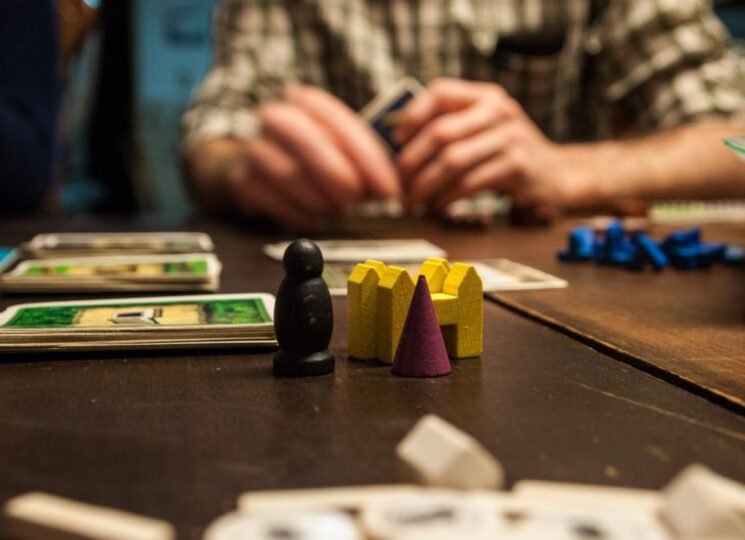
Image by MorningbirdPhoto from Pixabay
Board games based on TV shows, such as Taskmaster and Would I Lie to You are also popular due to the success of the series. The games allow players to enact their own versions of the show they like so much. Cards Against Humanity might not be a board game per se, but it embodies the idea of players adding their own personal flair to the game.
Online Media Fuels Growth
The connection with other media is partly to credit for the renaissance. YouTube influencers who review board games have helped add a cool factor to the games themselves. As their job role suggests, they have helped influence people to play them. Board game podcasts such as So Very Wrong About Games and The Dice Tower have also helped introduce board games in a very modern way. Podcasts are all the rage so adding their approval to board games, in general, helps give them renewed appreciation.
The growth of indie publishers has also helped board games soar. Kickstarter and other crowdfunding sites have been imperative in the renaissance. In fact, in 2020, Darkest Dungeon: The Board Game raised $5,657,479 from more than 28,000 backers. The collective input of crowdfunding campaigns gives an incentive for people to be invested in the product in more ways than just financial ones.
Board games have always been around, and digital means ensure that people will play them long into the future. Developers have taken the elements we know and love about board games and repackaged them to be more exciting. The board game renaissance looks set to continue apace.