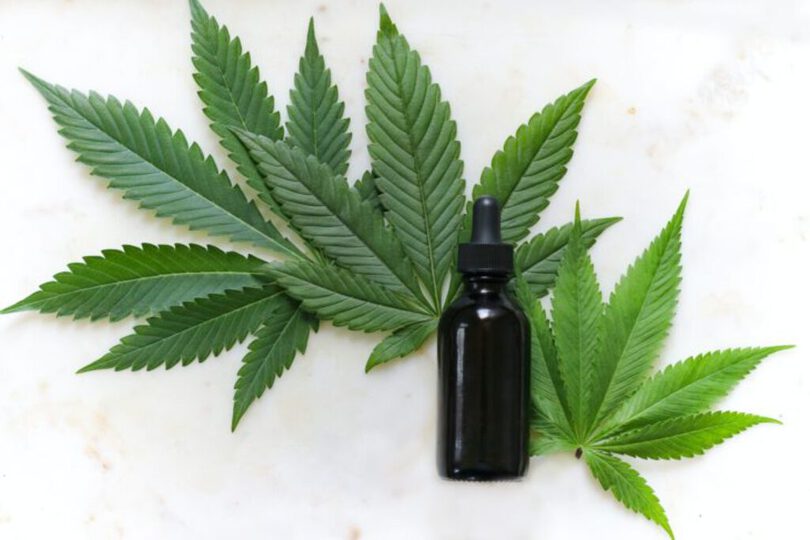
Photo by <a href="https://unsplash.com/@kimzy?utm_source=unsplash&utm_medium=referral&utm_content=creditCopyText">Kimzy Nanney</a> on <a href="https://unsplash.com/s/photos/cbd?utm_source=unsplash&utm_medium=referral&utm_content=creditCopyText">Unsplash</a>
Migraine treatment is one of the most popular applications of medical marijuana. Research shows that marijuana helps decrease migraine frequency and duration, which makes it an appealing and affordable choice. However, there is also evidence that, in some cases, marijuana can cause headaches called medication overuse headaches. Let’s uncover the nuances of marijuana use for headaches and determine how to consume it safely to achieve the desired effects and avoid complications.
Relieving Migraines with Weed
Convincing evidence shows that marijuana helps reduce pain in individuals suffering from migraines. Cannabis consumption reduces both the intensity and duration of pain, which can be a lifesaver for people suffering from debilitating headaches. Moreover, it was found to decrease nausea and vomiting that often accompany severe forms of migraines. Cannabis is effective both as a preventive and abortive measure for acute migraines. It is often recommended to choose strains with high THC but low CBD content, such as Mimosa weed.
These findings are promising because standard migraine treatment has limited effectiveness, with many patients reporting side effects such as sleepiness, fatigue, dizziness, etc. Although some people prefer to use cannabis as a stand-alone treatment, it can also be combined with other medications to achieve optimal outcomes. However, it is essential to see the doctor first to get the prescriptions and clarify dosages and duration of treatment.
Unfortunately, although scientific research increasingly reports the analgesic properties of the cannabis plant, available studies are not enough to make definitive conclusions about the therapeutic potential of cannabis. The main limitation of scientific research on this topic is that it involves people who consume different forms of marijuana, which makes comparison difficult. New studies may help collect more information to support the use of marijuana as a safe, effective, and evidence-based treatment.
H2: Why Does Marijuana Help with Migraines?
The positive effect of marijuana on migraines is better understood if one examines the biological processes triggered by cannabis. This plant has two major compounds called tetrahydrocannabinol (THC) and cannabidiol (CBD), which stimulate cannabinoid (CB) receptors in the human body. Most of these receptors, which form the endocannabinoid system, are in the central nervous system. By changing how CB receptors work, cannabinoids may calm down pain signals in the brain.
What Cannabis Forms to Use?
Some forms of cannabis are more popular than others for migraine treatment. According to the study by Baron and colleagues, patients prescribed medical marijuana for this purpose usually consume the following:
- Joint (smoking)
- Vaporizing
- Drops and capsules
- Oils (for topical use)
- Edibles
- Juicing/tea
- Waterpipe/bong
Inhaling or smoking marijuana are the preferred methods for pain relief because they allow for controlling the amount of the drug and avoiding side effects. It is also important to understand that some forms, such as edibles, are less effective for pain management than others.

Shutterstock
What Strains to Choose?
There is no unanimity regarding the optimal strains for migraine treatment since both THC and CBD interact with the cannabinoid (CB) receptors and can potentially affect how pain is perceived. Some believe THC-rich strains are the most suitable for treating migraines, as they have strong analgesic and anti-inflammatory properties. In addition to their analgesic effects, such strains can make you feel energized and happy.
However, the THC-CBD combination may also be useful for reducing the duration and intensity of pain during migraine episodes. This option is recommended if you do not want to get high but seek mostly therapeutic effects and relaxation. Therefore, testing several strains with different THC/CBD ratios may be useful to understand which ones work best for you and in what forms.
Can It Cause Migraines?
Although marijuana can be a life-changer for people with migraines, it is important to consume it cautiously because it can worsen the situation. The problem is that regular and excessive cannabis consumption may lead to medication overuse headaches. Thus, instead of treating pain, cannabis fans can actually increase its frequency and intensity. Rebound headaches can decrease the quality of life and lead to increased treatment costs, so consuming cannabis in moderation is essential.
How to Avoid Side Effects
By following simple rules, you can enjoy the positive effects of cannabis without experiencing more pain. The main recommendation is to regulate the dosage and frequency of cannabis consumption. By overusing cannabis, you risk getting not only more severe headaches but also other side effects, such as:
- Anxiety
- Dry mouth
- Impaired coordination/slow reaction
- Increased appetite/weight gain
- Bloodshot eyes
These symptoms will hardly make it easier for you to experience migraine episodes, so be careful and limit the use of cannabis.
The optimal dosage for relieving pain and avoiding side effects is unknown because the intensity and duration of pain may vary. People also respond to cannabis differently, so the only solution is to learn in practice. Notice what forms, dosages, and strains help you the most and stick to them.
Summing Up
As you can see, cannabis can both relieve migraine headaches and cause them. Everything depends on how much marijuana you consume and in what forms and dosages. Moderation and attention to your health and symptoms may help avoid side effects and get the most out of the healing properties of the cannabis plant.