
Shutterstock
Pocket pets are adorable little animals that are low maintenance but require care. They are pretty different from cats and dogs, so if you plan to introduce a pocket pet to your family, you need to understand their needs. The goal is to keep them comfortable, healthy, and happy like any other pet.
There are many different types of pets that you can bring home, like guinea pigs, hamsters, mice, rats, gerbils, ferrets, rabbits, and the list goes on. These little furry pets may seem unusual, but they require specialized care. At PetsVills, you will find everything you need to ensure that your pocket pets get the best treatment and care they deserve.
In this article, we will provide five essential tips on how to take care of your pocket pet the right way:
The Right Nutrition
Nutrition is one of the major concerns when it comes to pocket pets because it is far different from larger animals. Remember that first, you need to understand the nutrition needs of your little animal because giving them anything.
It is best to avoid any unhealthy snacking but research fruits or vegetables that work for them. Some exotic animals will require specific dietary requirements, so look for the right food. If you are confused, a vet can help you find the best diet for your pocket pet to stay healthy.
A Soft Cushy Bed
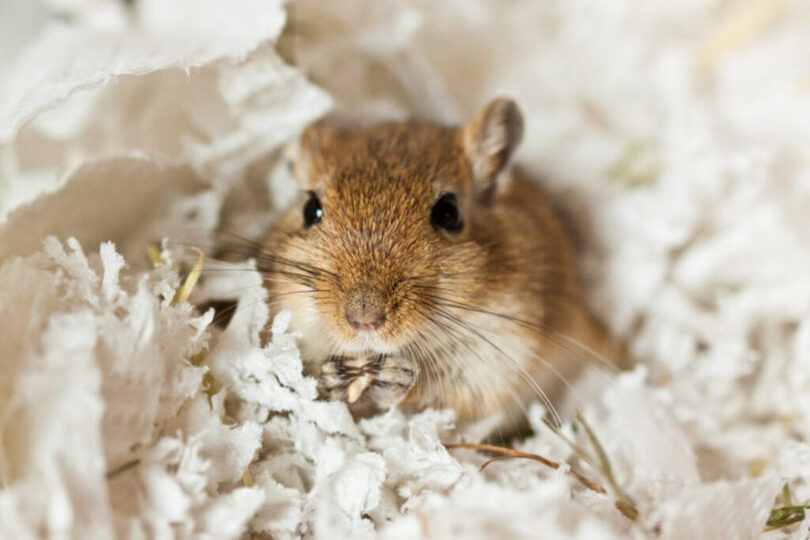
The next thing you must do is find soft bedding for your pocket pet. Like how you want to sleep in comfort, your pet also needs a good place to rest. The bed size completely depends on your pocket pet, so make sure you choose the right one.
Furthermore, you will also find different types of beds, so choosing a non-toxic and soft mattress is best for your little one. Even after you get the bed, you must focus on keeping it clean and dust-free and even consider disinfecting the bed and the surroundings regularly.
A Secure habitat
Before you bring a pocket pet home, it is important that you create a safe habitat. The cage you choose should be big enough for your pet so that it can be comfortable and happy. If the cage is too small, they will struggle to move around and may be unable to stand or sit correctly.
Ensure the cage is safe and secure so they cannot escape or any other pets can enter their environment. Especially for people with cats and dogs, you need to reaffirm their pocket pet’s safety. Once you have found the perfect cage, you need to ensure that it remains clean for your animal to survive. Find the right disinfectants and clean the cage regularly.
Exercise and Stimulation
While most of the time, your pocket pets will remain in their secure environment. Setting some exercise stimulation equipment will be good for their health. This will also keep them active and encourage them to have fun in their cage.
The equipment you choose depends on your pocket pets, and you will have a range of choices to choose from. Ensure that the toys or equipment you choose are non-toxic and highly durable. Most pets may require a chewing toy so focus on the material used to maintain good teeth.
Shutterstock
Regular Doctor Visit
Scheduling regular checks with your vet is one of the most crucial steps when caring for your pet. No matter the size of the pet, the regular health check will ensure that they stay healthy. Some owners wait for something to happen and then visit the clinic.
By visiting the clinic occasionally, you will be able to determine any underlying condition and start treatment so that it does not affect their quality of life. Another great reason for these visits is to ensure they get all their vaccines done on time and help them live a long life.
Final Thoughts
Following the abovementioned points, you can take care of your pocket pet easily. Keep in mind that maintaining a pet’s well-being, big or small, is a huge task. It takes time and effort, so be sure before bringing a tiny animal home. You can also consider getting pet insurance, here are some reasons why owner should do this.