Shutterstock
According to Global Fashion Agenda, the global fashion business is valued at more than 1.8 trillion dollars, with China expected to overtake the United States as the world’s largest fashion market soon.
China has the highest rate of counterfeit luxury-brand products of any country on the planet. When walking down the streets of China, everyone may own a luxury fashion item that is counterfeit. The “authentic replicas” which are counterfeit goods that are so similar to the real thing that the changes are practically imperceptible are far more dangerous than casual counterfeits.
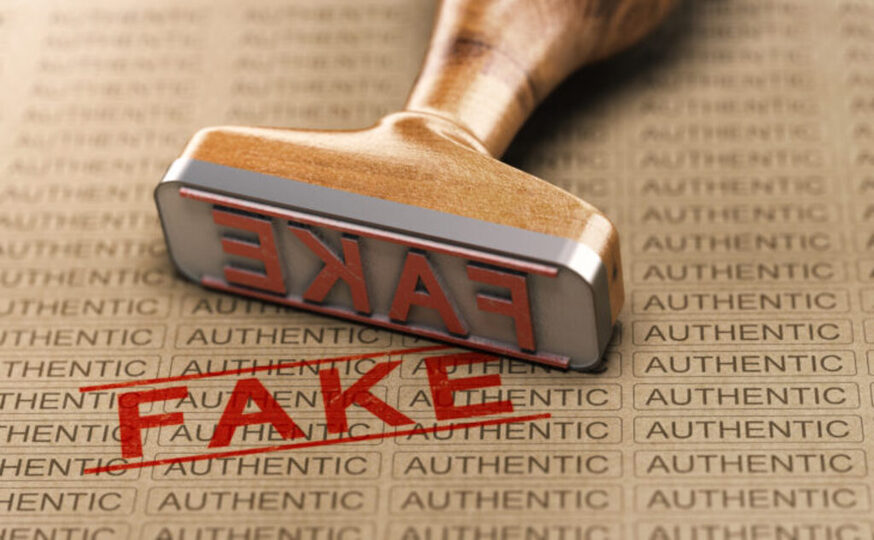
Purchasing counterfeit goods carries several risks that aren’t usually talked about. Before you buy, you should be aware of the legal implications, economic implications, and health and safety hazards. Be wary of counterfeit items, especially when shopping online. Fake items can put people in great danger.
Secure Yourself from Purchasing Replicas and Learn to Detect Counterfeit Items
Buying merchandise from official sources is the greatest method to avoid buying replicas. But we understand that there are instances when better discounts may be found elsewhere, and it may seem irrational to pay more for the same thing. In this situation, authentication services may be useful; you can have professionals examine and evaluate the luxury item you’re planning on purchasing. You can be confident that you are paying for exactly what you expect after their skilled competence. If you ever decide to buy a luxury item from anywhere other than the official store, use LegitGrails’ brand authentication services.
Check out the following tips if you want to authenticate clothes and accessories yourself.
Logo Method
Looking at the logo design is perhaps the easiest approach to recognize a fake item. Designer brands’ logos should be flawless, with no features lacking from the company name or logo symbol. Fake clothes and accessories may not even have a logo, instead of relying on the shape and color of the object to deceive shoppers. Many high-end brands use a metal or leather logo, and others will stamp their mark onto the products directly.
Look for the logo in other places in addition to establishing the validity of the logo design. Most nameplates, zipper pulls, and shoe soles, for example, will have the logo engraved rather than stamped.
Fabric Method
Identifying whether or not an item is made of genuine leather or high-quality fabric is one of the simplest methods to recognize a fake. Feel the leather with your hand. If the item’s surface seems smooth and even, it’s most likely a counterfeit. The texture of genuine leather will be slightly uneven. If the item is new, the scent of real leather will be noticeable as well.
Check the fabric if the item isn’t made of leather. Genuine products should have a heavier and higher-quality material. There should be no pulls or rips in the fabric, and the color should not fade.
Stitching Method
When a product is genuine, it will have considerably cleaner stitching than its counterfeit versions. Authentic products will have seamless, symmetrical stitching and more threads per square inch. Fake products will have less stitching and will not have as straight lines or tightness.
Label Method
Look for smudges or ripped labels, a misspelled or changed product name, sloppy workmanship, and a missing warranty card. Luxury labels are normally sewed beneath the seam of the garment at the mill, rather than on top of it. It’s a red flag if your product’s label doesn’t match the description.
Package Method
Each luxury item has one thing in common: high-quality packaging. Genuine things should be packaged in durable materials, and the object should fit snugly inside the box. Businesses invest millions of dollars in packaging to ensure that their products are safe and secure. If there is any visual or functional flaw in the box, be careful.
Benefits of Buying Original Items
People buy counterfeit goods for a variety of reasons, both consciously and unintentionally, one of which is that they are frequently cheaper than real goods. Purchasing counterfeits may appear to be an excellent solution for those who want to stay up with the newest fashion trends but do not have a lot of money. Many consumers buy fake goods since they don’t care if they’re genuine or not. Some people are utterly unaware of the fact that they are buying fake goods.
Fake items are less expensive, but at what cost? Buying counterfeit things exposes you to a larger risk of receiving lower-quality goods, a lack of warranty and consumer protections, and a higher risk of receiving malfunctioning or dangerous goods that do not fulfill general health and safety requirements.
It is always preferable to pay extra and purchase authentic, high-quality fashion things. Customer benefits such as repair services, customer programs, and customer assistance will never be available if you purchase counterfeit things.